

Cultivating Your Inner Healer
The Power of Qi
By: Cheng Tong - Feb 10, 2026
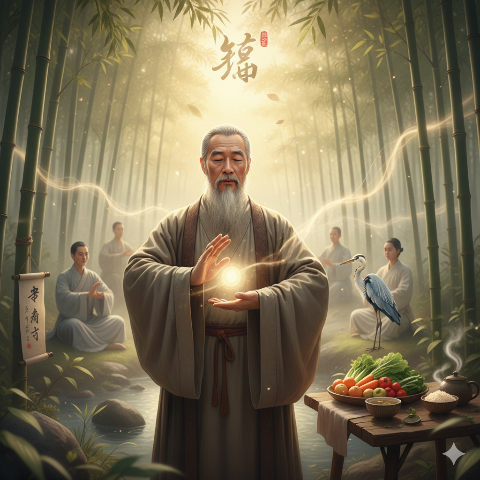
What do you do when you bang your elbow? Most of us put our hand over the point of pain, and do so without thinking. Those of us who have a sense of our body’s qi understand the center of the palm is an energy release point. We believe we can send our qi out through this release point to quiet the pain; we see it as an ancient understanding long forgotten.
For millennia, Traditional Chinese Medicine (TCM) has recognized the vital role of qi in health and well-being. Qi, also spelled chi, is an energetic force believed to flow throughout the body, influencing everything from organ function to emotional state. When chi is balanced and flowing freely, health prevails. However, stagnant or blocked chi can lead to pain, illness, and dis-ease.
The good news? You have the power to cultivate and direct your chi for healing purposes. This isn’t about magic or mysticism; it’s about harnessing the body’s inherent capacity for self-regulation and tapping into a powerful energy source. Here’s how you can use chi to heal your body:
Understanding Chi and Its Flow:
TCM identifies a network of pathways called meridians through which chi flows. These meridians connect to specific organs and systems. When a blockage occurs in a meridian, the corresponding organ may experience dysfunction. Symptoms like headaches, fatigue, or digestive issues can be signs of imbalanced chi.
Practices to Cultivate Chi Flow:
- Qigong: This gentle practice combines movement, breathwork, and meditation. Flowing movements stimulate the meridians, encouraging smooth chi circulation. Qigong also cultivates mindfulness, allowing you to become more aware of your internal energy landscape.
- Tai Chi: Similar to Qigong, Tai Chi involves slow, coordinated movements. The focus on breath and coordinated form promotes deep relaxation and encourages chi flow throughout the body.
- Meditation: Meditation helps calm the mind and quiet internal chatter. This allows you to become more sensitive to the subtle energy sensations within your body. By focusing attention on specific areas, you can consciously promote chi flow to those regions.
- Acupressure: This practice involves applying pressure to specific points along the meridians. Stimulating these points can help unblock stagnant chi and promote balance.
- Breathwork: Conscious breathing practices like pranayama in yoga, or deep abdominal breathing practiced during meditation or as a technique to trigger a meditative response, can directly influence chi flow. Focusing on long, slow, and deep breaths can energize the body and clear blockages.
Visualization for Directed Healing:
Visualization is a powerful tool for directing chi to specific areas of the body that need healing. Here’s how to practice it:
- Find a quiet and comfortable space. Close your eyes and take a few deep breaths to relax.
- Imagine a warm, white light representing healing chi.
- Visualize this light flowing throughout your body, focusing on the area that needs healing.
- See the light dissolving any blockages and nourishing the area with its healing energy.
- Continue visualizing for several minutes, then gently bring your awareness back to your surroundings.
Dietary Practices for Chi Balance:
- Eat a balanced diet: TCM emphasizes the importance of consuming whole, seasonal foods rich in nutrients that nourish the body and support chi production.
- Limit processed foods: Processed foods and excessive sugar intake can weaken the body’s energetic system, hindering chi flow.
- Stay Hydrated: Proper hydration is essential for maintaining a healthy flow of chi throughout the body.
Lifestyle Habits for Chi Harmony:
- Get enough sleep: When you’re well-rested, your body has the resources to optimize chi production and circulation.
- Manage stress: Chronic stress can disrupt chi flow. Practices like meditation, yoga, or spending time in nature can help manage stress and promote balance.
- Moderate exercise: Regular physical activity, but not overexertion, helps keep chi flowing freely.
- Spend time in nature: Nature possesses a revitalizing energy that can nourish your chi. Take walks in the park, practice forest bathing or simply sit amidst natural surroundings.
Remember:
- Using chi for healing is a gradual process. Be patient and consistent with your practices.
- While these practices can be powerful, they are not a substitute for seeking professional medical care when necessary.
- Consult a qualified TCM practitioner for personalized guidance on using chi for specific health concerns.
By incorporating these techniques into your life, you can actively participate in your own healing journey. Through cultivating chi flow, you can promote a sense of well-being, vitality, and resilience, bringing your body and mind into greater harmony.